Concussion Assessment & Recovery | Melbourne & Fremantle
Objective assessment, personalised recovery planning, and a considered return to the things that matter.
A concussion can be disorienting for the whole family. Symptoms shift from day to day, advice from different sources can conflict, and the pressure to get back to school, work, or sport arrives well before the brain feels ready. Our role is to bring clarity to that uncertainty.
The Togetherness Project offers structured concussion assessment, baseline testing, and return to school and play guidance using the Complete Concussion Management (CCMI) framework, an internationally recognised, research based approach to concussion care. For people whose symptoms persist beyond the expected recovery window, we also offer something few concussion services can: QEEG brain mapping and individualised neurotherapy to understand and support the brain systems still working hard to recover.
We see children, adolescents, and adults at our clinics in Hawthorn and Fremantle.
What is a Concussion?
A concussion is a mild traumatic brain injury caused by a direct blow to the head, or by force transmitted to the head from an impact elsewhere on the body. The rapid acceleration and deceleration of the brain disrupts normal function at a cellular level, triggering a temporary energy crisis in brain cells and a reduction in blood flow to the brain. This is why concussion is understood as a functional injury rather than a structural one, and why standard scans usually appear normal even when symptoms are significant.
You do not need to lose consciousness to be concussed, and most concussions occur without any visible injury. Symptoms may appear immediately or develop over hours to days, and commonly include headache, pressure in the head, dizziness, nausea, fatigue, sensitivity to light and noise, difficulty concentrating, memory changes, irritability, low mood, and disrupted sleep. Because there is no single scan or test that diagnoses concussion, careful clinical assessment is essential, both to confirm what is happening and to rule out anything more serious.
Most people recover well within two to four weeks. For some, symptoms persist longer, and this is where early, structured assessment makes a genuine difference. Research indicates that earlier assessment by a clinician trained in concussion management is associated with faster recovery, making the first days after injury the most valuable window for getting the right plan in place.
Our Concussion Services
-
If you or your child has sustained a head knock, a thorough assessment gives you a clear picture of what has been affected and what recovery should involve. Our assessment draws on the CCMI protocol and includes:
A detailed history of the injury, your symptoms, and relevant medical background
Standardised symptom scoring and tracking over time
Neurocognitive testing covering memory, concentration, processing speed, and reaction time
Orientation, recall, and dual task assessment
Balance and postural assessment
You leave your first appointment with an explanation of your results in plain language, a personalised recovery plan, and clear guidance on what to do, and what to avoid, in the days ahead.
Current best practice no longer means dark rooms and doing nothing. A brief period of relative rest is recommended for the first 24 to 48 hours, limiting physical and cognitive load while symptoms are most acute. From there, evidence supports a gradual, guided return to daily activity, because appropriate activity actually promotes recovery, while both overexertion and prolonged rest can delay it. If symptoms are still present beyond 7 to 10 days, that is the signal to move from watchful recovery into an individualised, structured treatment plan rather than continuing to wait.
-
Every brain is different, which makes it difficult to judge what is normal for you after an injury unless we know what normal looked like before. Baseline testing measures your healthy brain function before the season begins, across symptoms, memory, concentration, reaction time, and balance.
If a concussion occurs, your post injury results are compared against your own preinjury benchmark rather than population averages. This makes subtle changes easier to detect and supports safer, more objective return to play decisions. Results are stored securely on the international CCMI database and remain available whenever they are needed.
Baseline testing takes around thirty minutes and is recommended for anyone participating in higher risk sports such as football, soccer, rugby, netball, basketball, equestrian sports, skiing, and snowboarding. We welcome individual bookings and can arrange testing sessions for teams and clubs.
-
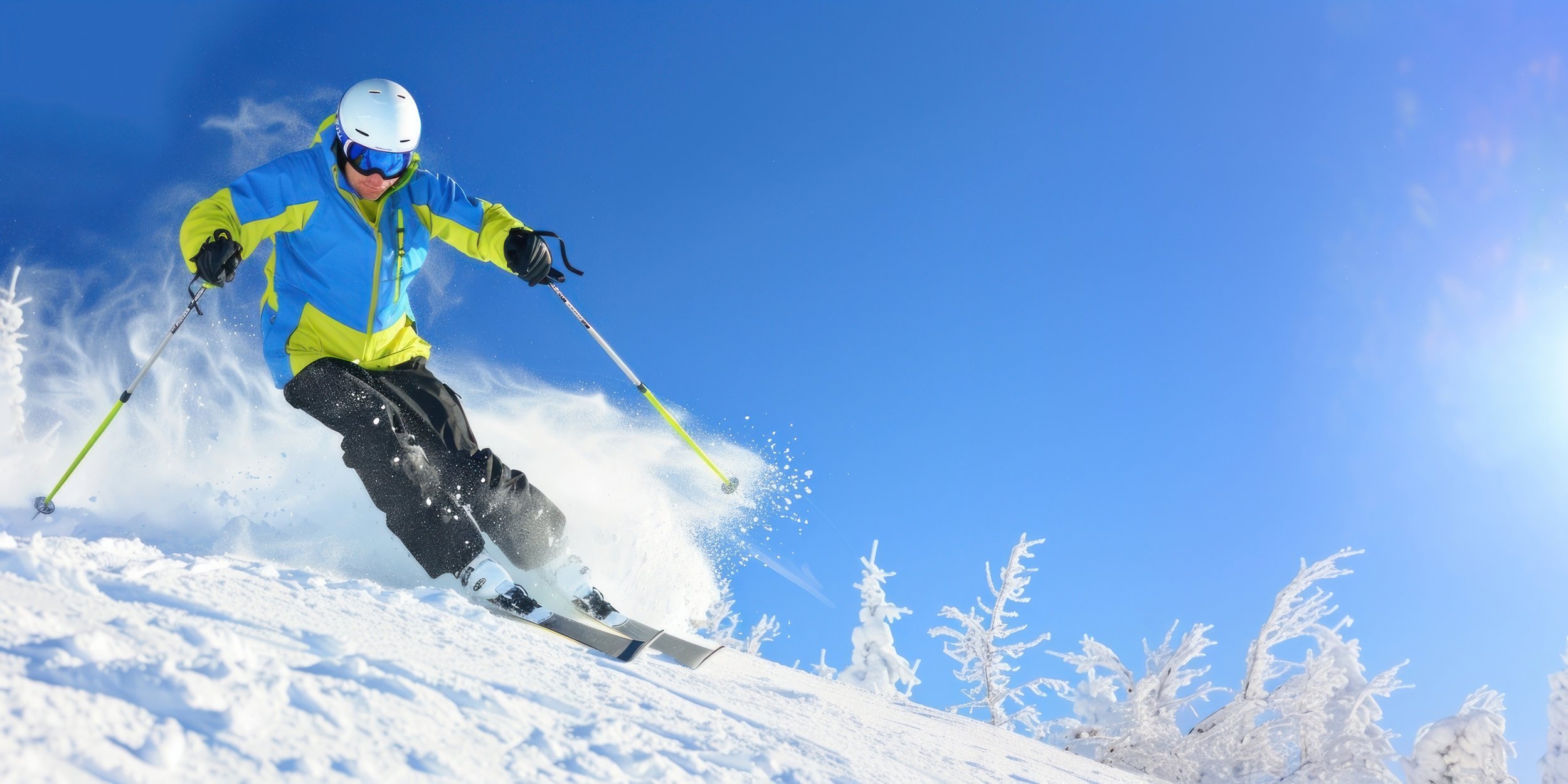
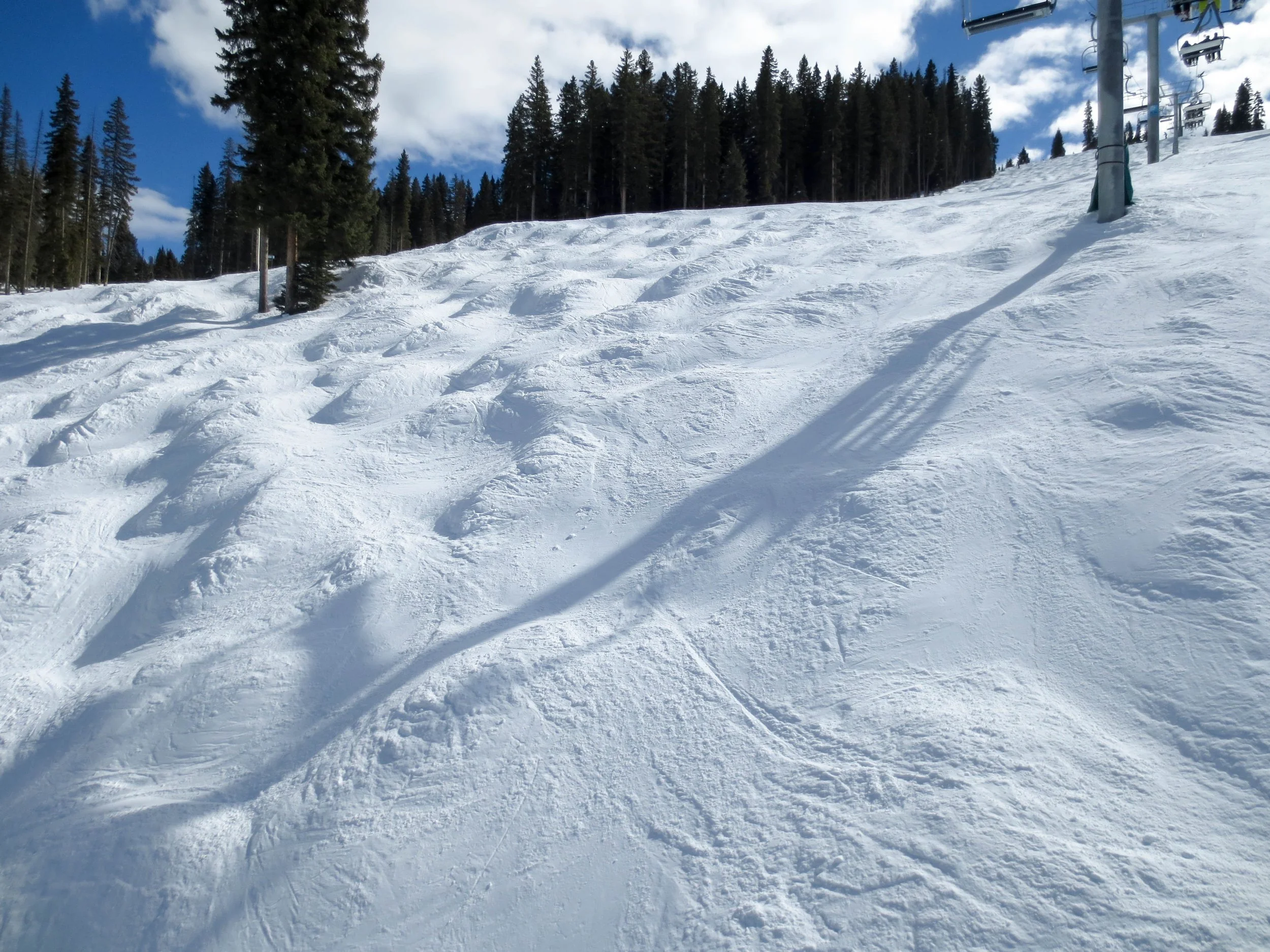
Snow sports carry one of the highest concussion risks of any recreational activity, yet almost no skiers or snowboarders have baseline data on record. Falls happen at speed, on hard surfaces, and often far from immediate medical care. A helmet reduces the risk of skull fracture but does not prevent concussion, because concussion is caused by the movement of the brain within the skull rather than by the impact to its surface.
For families who head to the mountains each winter, we recommend baseline testing before the season begins. If a fall on the slopes results in a head knock, your preinjury benchmark means recovery and return to skiing decisions can be made on objective data rather than guesswork, whether the assessment happens with us or with another CCMI trained clinician anywhere in the network.
Baseline testing is no longer optional for many competitive snow sports athletes. Programs such as Team Buller Freestyle now require athletes aged 14 and over in their All Mountain, Mogul, Slopestyle and Snowboard programs to complete a comprehensive preseason baseline test through a Complete Concussions clinic before participating in any training or competition, and strongly recommend it for younger athletes. Baseline tests are valid for one calendar year, and results are stored on the Concussion Tracker platform where they are accessible to any CCMI clinician if an injury occurs during the season. As a Complete Concussion Management trained practice, we can complete this testing for your athlete and meet your program's preseason requirements.
This matters most for children and adolescents in race programs, interschool snow sports, and freestyle disciplines, where falls are frequent and the pressure to get back on snow quickly is real. One preseason appointment gives your family a season of confidence.
Autumn is the ideal time to book, before the lifts start turning in June.
-
Coming back too soon is the most common and most preventable mistake in concussion recovery. A brain that is still healing is more vulnerable to a second injury, and cognitive overload can prolong symptoms considerably.
We provide structured, staged return to school and return to play planning in line with current international consensus and the Australian Institute of Sport Concussion and Brain Health Position Statement. Under the AIS Youth and Community Sport Guidelines, an athlete should not return to competitive contact sport until at least 21 days after the concussion, and children and community sport participants should be symptom free for 14 days before returning to contact training. These are minimums, not targets, and recovery is individualised within them.
For students, our planning includes practical accommodations we can communicate to schools, adjusted workloads, rest scheduling, and screen time guidance. For athletes, this means graded progression through the recognised return to play stages, with retesting against baseline data before clearance decisions are made.
Parents consistently tell us that having an objective, staged plan removes the guesswork and the negotiation. The data, not the pressure of the season, guides the timeline.Flexible, expert advice when you need it. Book hourly support across a range of topics. From planning to problem-solving.
This focused consultation will help clarify your goals, map out next steps, and identify opportunities for growth.
-
Most concussion symptoms resolve within a month. When they do not, when headaches, brain fog, fatigue, anxiety, or concentration difficulties linger beyond the expected recovery window, families are often told to simply wait it out. We take a different approach, and the evidence supports acting rather than waiting once symptoms persist past the early recovery period.
QEEG brain mapping allows us to measure the electrical activity of the brain and identify patterns of dysregulation that can follow a concussion, such as changes in brainwave activity across attention, arousal, and sensory processing networks. Rather than guessing at what is driving persisting symptoms, we assess it directly.
From there, we design an individualised neurotherapy program drawing on our multimodal toolkit, which may include neuromodulation approaches such as photobiomodulation, transcranial direct current stimulation, and other noninvasive techniques, alongside strategies to support sleep, regulation, and cognitive stamina. This is an emerging and promising area of concussion care, and we are transparent with every family about what the evidence supports and what to expect.
Working With Your Care Team
Good concussion care is collaborative. Concussion can affect multiple body systems, and some aspects of recovery sit outside what we provide. Where assessment indicates neck involvement, vestibular dysfunction, or exercise intolerance requiring supervised exertion testing, we refer to trusted allied health and medical colleagues and coordinate care alongside them. If red flag symptoms are present at any stage, we will direct you promptly to medical review.
You keep one consistent point of contact and a coherent plan, with the right professionals involved at the right time.
Frequently Asked Questions
-
No. You can book directly with us, though we welcome referrals from GPs, paediatricians, physiotherapists, and sporting clubs, and we communicate with your referrer throughout care
-
Yes. We provide comprehensive preseason baseline testing under the Complete Concussion Management protocol, which satisfies club and program requirements that specify testing through a Complete Concussions clinic. Results are recorded on the Concussion Tracker platform, remain valid for one calendar year, and are accessible to your program's concussion officer and to any CCMI clinician if an injury occurs during the season. text goes here
-
Yes. Persisting symptoms after concussion are one of the areas where our QEEG brain mapping and neurotherapy approach adds the most value, because it allows us to look directly at how the brain is functioning rather than relying on symptoms alone.
-
Concussion risk exists at every level of sport, and junior athletes are among those who benefit most from objective return to play decisions. A thirty minute preseason test provides a personal benchmark that makes any future concussion easier to manage safely.
-
No. Our focus is assessment, recovery planning, return to school and play guidance, and neurotherapy. Where physical rehabilitation is indicated, we refer to experienced Allied Health colleagues and continue coordinating your overall recovery.
Complete Concussions founder Dr Cameron Marshall explains what happens in the brain during a concussion
Book a Concussion Assessment
Whether you are recovering from a recent head injury, managing symptoms that will not resolve, or booking baseline testing before the season starts, we are here to help you move forward with clarity and confidence.
Book online or contact our Hawthorn or Fremantle clinic to get started.