Brain Mapping, Brainwaves & ADHD: Reflections on the Hard Yarns Podcast with Lara Schulz
My Take on Hard Yarns Podcast #310
If you’ve been searching for answers about your child’s ADHD — or you’ve landed here after listening to the Hard Yarns Podcast — you’re in the right place.
Episode #310 of the Hard Yarns Podcast features psychophysiologist Lara Schulz in a conversation titled Rewiring the Mind: Brainwaves and Healing. It covers a lot of ground, and as a QEEG practitioner and neurotherapist, I found myself nodding along to much of it. I also think there are a few things worth expanding on — particularly for carers and families who are trying to figure out what any of this actually means for their child.
So here’s my take.
Lara Explains It So Well
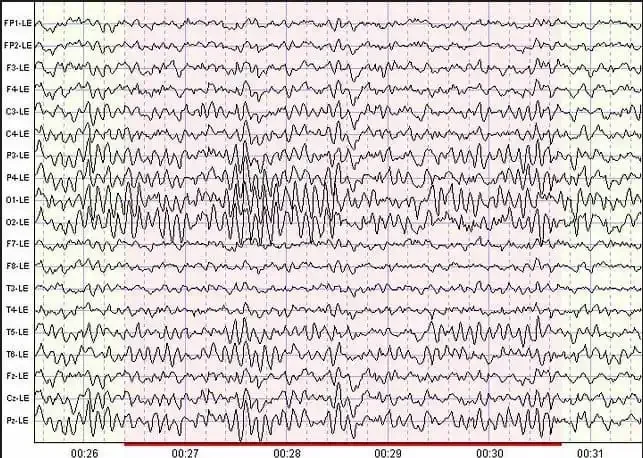
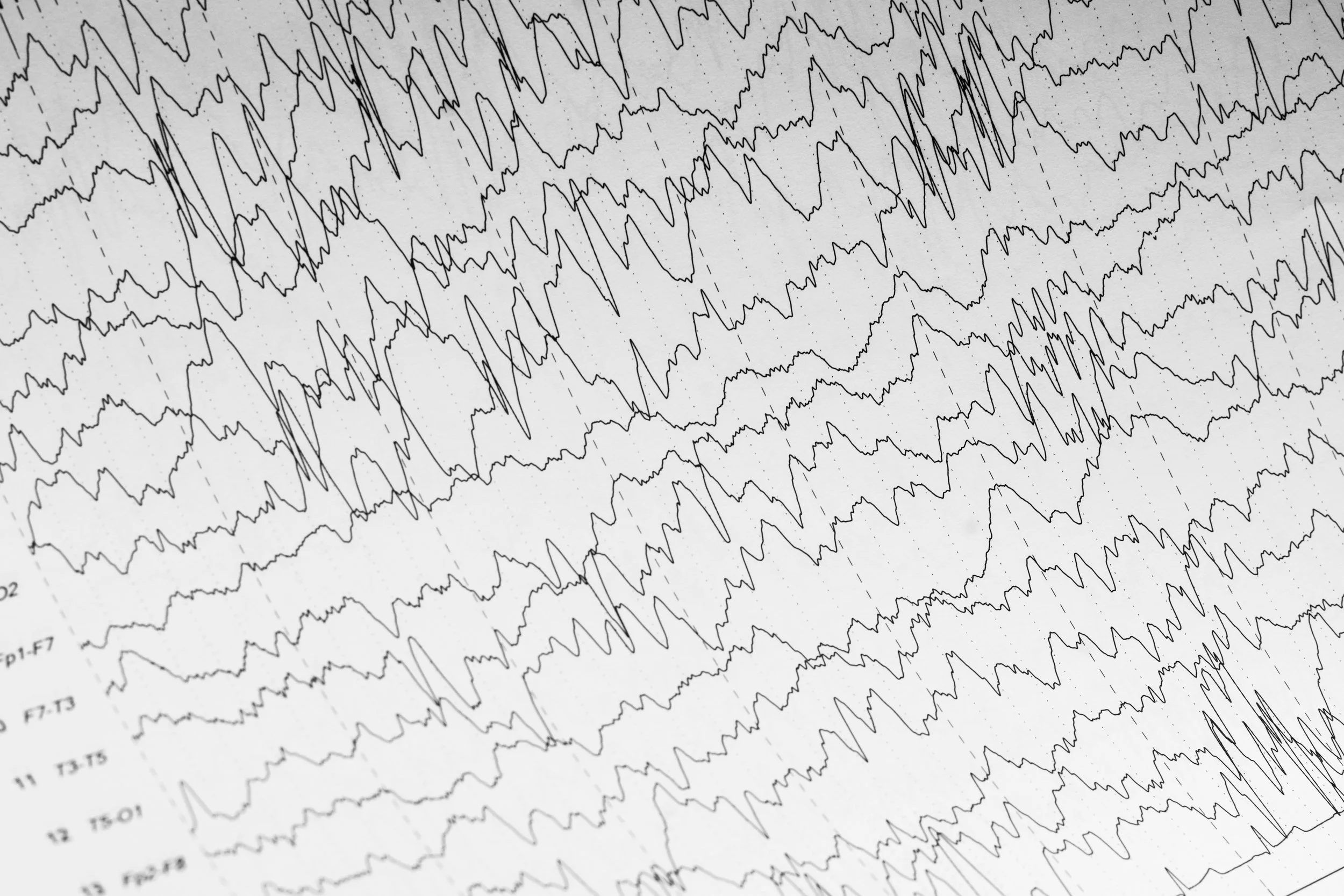
Lara does a great job of making brain waves accessible. She walks through the five main types: delta, theta, alpha, beta, and gamma, and links each to everyday states of mind. This matters, because most families I speak with have never had anyone explain what’s actually happening in their child’s brain. They’ve had behaviour described to them. They’ve had diagnoses given to them. But the brain itself often remains a mystery.
One key insight Lara shares, and one I strongly agree with, is that ADHD is not simply a behavioural problem. It has a neurological signature. Many children with ADHD show an excess of slower brain wave activity (particularly theta) in regions responsible for attention and impulse control, alongside a relative deficit of the faster beta waves that drive focused, goal-directed thinking.
This is not a character flaw. It is a measurable pattern in the brain — and that means it can be worked with
What QEEG Brain Mapping Actually Adds
This is where I want to go a little deeper than the podcast does, because it’s the part that makes the biggest practical difference for families.
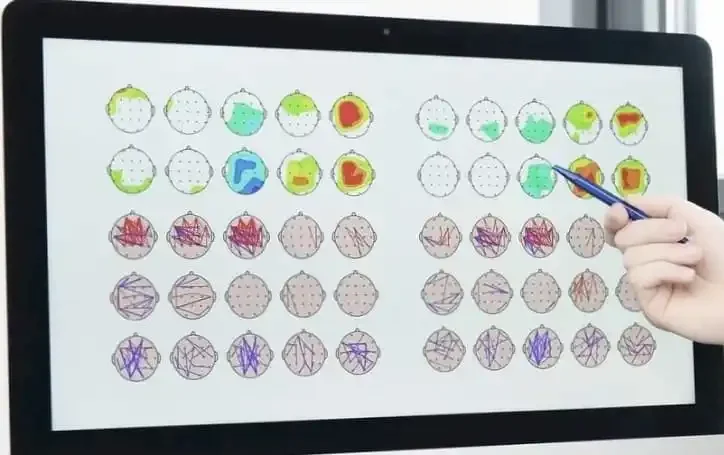
QEEG, Quantitative EEG, is not the same as a standard EEG. A standard EEG tells you whether electrical activity is present. A QEEG maps that activity quantitatively, comparing it against a normative database, and gives us a picture of where the brain is over-activated, under-activated, or dysregulated in its connectivity.
For a child with ADHD, this matters enormously. Not all ADHD presentations look the same on a brain map. Some children show the classic theta excess; others show dysregulation in entirely different networks, including those involved in emotional regulation, sensory processing, or sleep. Without a brain map, we are essentially working from a best guess. With one, we can tailor the intervention precisely to that individual brain.
This is why QEEG is the foundation of every neurotherapy programme at The Togetherness Project. It removes the guesswork.
What This Means to You!
If you’re raising a child with ADHD or if you have a diagnosis yourself, you are likely exhausted in ways that are hard to articulate. You’re managing school refusal, meltdowns, misunderstandings with teachers, and a system that often responds to behaviour rather than the brain driving it. You may have tried medication, and found it helped partially — or not at all. You may be wondering what else is possible.
Neurotherapy is not a cure, and I will always be honest about that. But for many people, having a clear picture of how their brain functions and then working with that picture rather than against it produces meaningful, lasting change. Improvements in focus, emotional regulation, sleep, and the capacity to tolerate frustration are what families report most consistently.
The process begins with a brain mapping assessment. From there, a personalised neurotherapy programme is designed based on what that individual's brain actually needs, not what works on average.
Listen to the Full Episode
You can hear Lara’s full conversation on the Hard Yarns Podcast here: https://youtu.be/ja_zlOCE-Po or tap the YouTube below.
If you’d like to explore whether QEEG brain mapping is the right next step for your child or family member, I’d love to hear from you. The Togetherness Project offers neurotherapy and QEEG assessment in Melbourne (Hawthorn) and Perth (Fremantle).